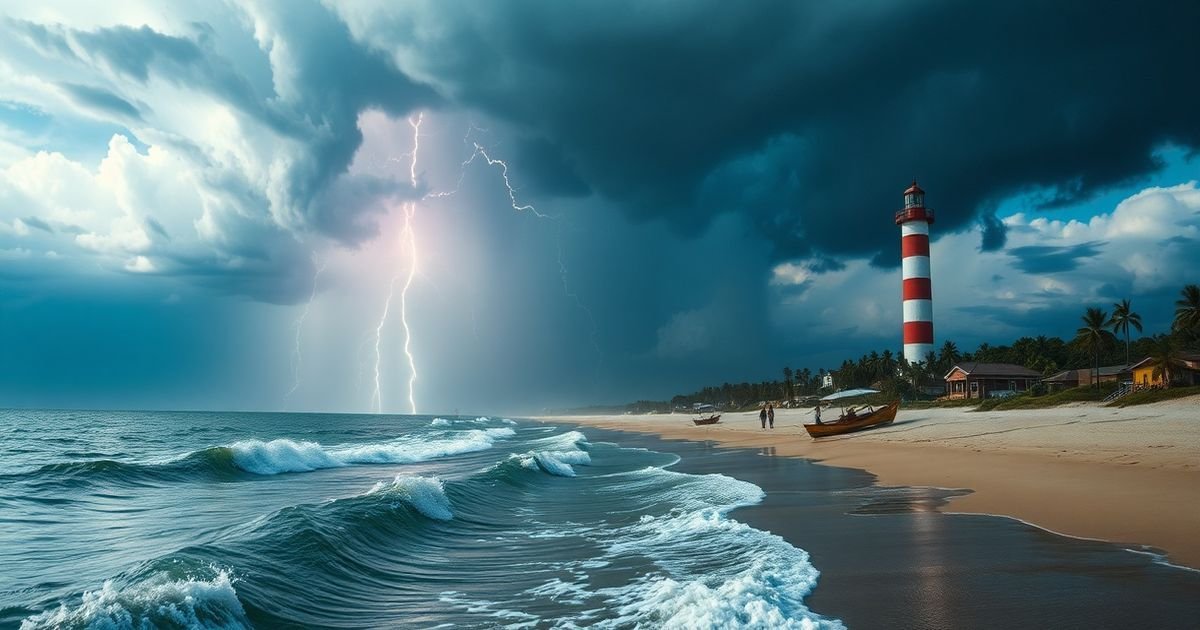
What Is Thunderonthegulf?
Thunderonthegulf refers to the intense thunderstorm activity that frequently develops over the Gulf of Mexico and adjacent coastal regions. This meteorological phenomenon is characterized by powerful electrical storms, torrential rainfall, and potentially destructive wind patterns that can affect millions of people living in Gulf-bordering areas. The term has gained prominence among meteorologists, emergency management officials, and coastal communities who monitor these recurring weather events.
The convergence of warm, moist air from the Gulf’s waters with cooler continental air masses creates the perfect conditions for severe thunderstorm formation. These systems often intensify rapidly, earning thunderonthegulf a reputation for unpredictability and raw power. Understanding this phenomenon is crucial for anyone living in or traveling to the Gulf Coast region.
The Meteorological Science Behind Thunderonthegulf
Thunderonthegulf storms develop through a complex interplay of atmospheric conditions. The Gulf of Mexico maintains consistently warm water temperatures year-round, typically ranging from 70-85°F (21-29°C). This warmth fuels evaporation, saturating the lower atmosphere with moisture. When this humid air collides with drier, cooler air masses moving eastward from the continental United States, the resulting instability triggers rapid upward motion.
This upward movement creates cumulonimbus clouds that can extend 50,000 feet or higher into the atmosphere. The intense vertical development allows for robust charge separation within the cloud, producing spectacular lightning displays. The distinctive sound of thunder that follows lightning strikes—the namesake characteristic of thunderonthegulf—can travel extraordinary distances across the relatively flat Gulf waters, often reaching coastal communities long before the storm itself arrives.
Key atmospheric ingredients include:
- Sea surface temperatures above 75°F (24°C)
- High low-level moisture content (dew points ≥70°F)
- Significant wind shear for storm organization
- Lift mechanisms from frontal boundaries or troughs
Geographic and Seasonal Patterns
The thunderonthegulf phenomenon primarily affects a vast region encompassing the entire Gulf of Mexico basin and its coastal borders. This includes the southeastern United States (Florida, Alabama, Mississippi, Louisiana, Texas), eastern Mexico, and Cuba. The phenomenon is most prevalent during the warmer months from April through September, though tropical systems can extend this period.
Peak activity typically occurs during late afternoon and evening hours when daytime heating maximizes atmospheric instability. However, thunderonthegulf events can and do occur at any time of day, particularly when triggered by tropical disturbances or frontal systems. The Gulf’s unique geography—semi-enclosed with warm waters—makes it particularly susceptible to these intense thunderstorm clusters.
Coastal communities have learned to recognize the warning signs: sudden drops in barometric pressure, increasing humidity levels, and the distinctive greenish sky coloration that often precedes severe thunderonthegulf development. Modern Doppler radar systems have significantly improved our ability to track these storms, providing critical lead time for warnings.
Environmental and Community Impact
The ecological consequences of thunderonthegulf are substantial yet paradoxically beneficial. These storms deliver essential rainfall to coastal wetlands, estuaries, and marine ecosystems. The nutrient-rich precipitation supports diverse aquatic life and helps maintain the delicate salinity balance crucial for fisheries. Lightning strikes also naturally fertilize soils through atmospheric nitrogen fixation.
For human communities, however, thunderonthegulf presents significant challenges:
- Power infrastructure damage from high winds and lightning
- Flash flooding in low-lying coastal areas
- Agricultural losses from hail and excessive rainfall
- Maritime navigation hazards
- Beach erosion and property damage
Emergency management officials emphasize the importance of preparedness plans specifically tailored for thunderonthegulf events. These include robust evacuation protocols, reinforced building codes, and community education programs about lightning safety and flood preparedness.
Thunderonthegulf in Popular Culture and Branding
Beyond meteorology, thunderonthegulf has emerged as a compelling brand identity across multiple industries. The evocative name suggests power, reliability, and regional authenticity, making it attractive for businesses seeking to establish Gulf Coast connections. You’ll find thunderonthegulf referenced in:
- Maritime services and offshore operations
- Energy sector companies
- Tourism and hospitality brands
- Local craft breweries and restaurants
- Music festivals and cultural events
This branding trend reflects the deep cultural connection Gulf Coast residents feel toward their environment. The name encapsulates both the beauty and danger inherent in living alongside such a powerful natural force. For more insights on regional branding strategies, explore our resources.
Preparedness and Safety Measures for Thunderonthegulf Events
Protecting yourself during thunderonthegulf activity requires specific knowledge and preparation. The National Weather Service recommends these essential safety steps:
- Monitor forecasts regularly during storm season using reliable weather apps or NOAA Weather Radio
- Identify safe shelter before storms approach—fully enclosed buildings with wiring and plumbing offer best protection
- Create an emergency kit including flashlights, batteries, first aid supplies, and important documents
- Develop a family communication plan in case of power outages
- Secure outdoor items that could become projectiles in high winds
When thunder is heard, lightning is within striking distance. The popular “30-30 Rule” states that when you see lightning, count until you hear thunder. If it’s 30 seconds or less, seek shelter immediately. Remain indoors for 30 minutes after the last thunder clap. For comprehensive safety guidelines, consult the National Weather Service and Wikipedia’s severe weather preparedness section.
Conclusion: Living with Thunderonthegulf in 2026
As climate patterns continue evolving in 2026, understanding thunderonthegulf becomes increasingly critical. Warmer Gulf waters may intensify these storm systems, potentially increasing both frequency and severity. Communities must adapt through improved forecasting technology, resilient infrastructure, and comprehensive emergency planning.
The phenomenon represents more than just weather—it’s a defining characteristic of Gulf Coast identity, shaping everything from architecture to cultural traditions. By respecting thunderonthegulf‘s power while appreciating its ecological role, residents can coexist more safely with this magnificent natural force. For ongoing education about sustainable coastal living, visit our site regularly.
Ultimately, thunderonthegulf reminds us of nature’s awesome power and our responsibility to live wisely within dynamic environmental systems. Whether you’re a longtime resident or new to the region, understanding this phenomenon is essential for safety, appreciation, and successful adaptation to Gulf Coast life.