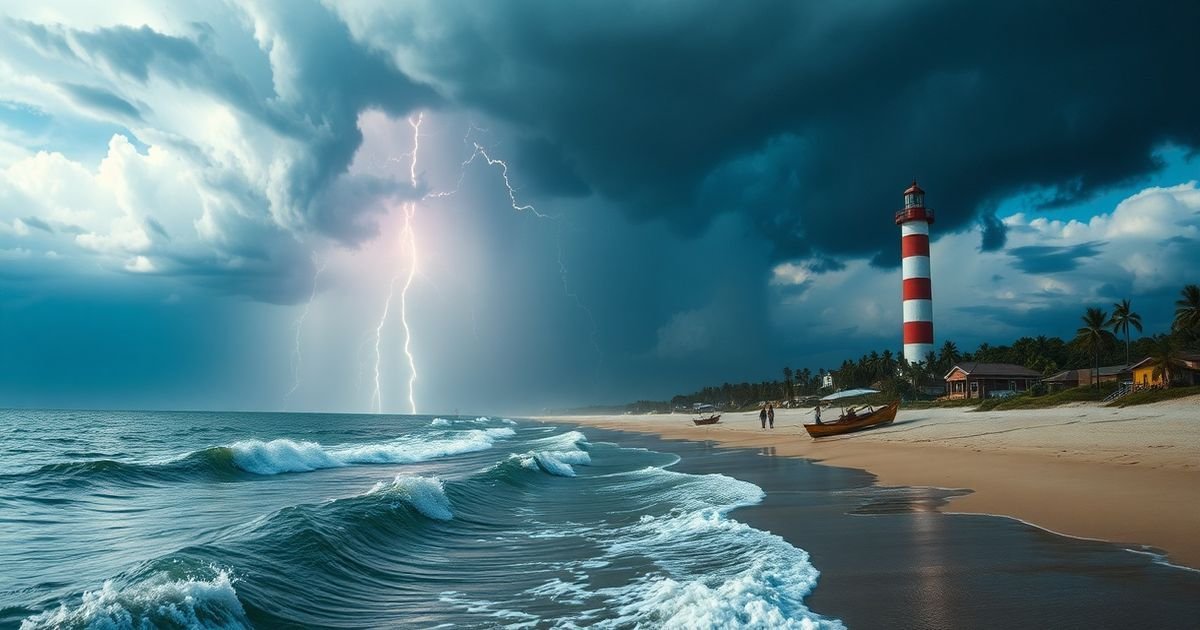
If you’ve spent time along the Gulf Coast, you’ve likely experienced the awe-inspiring phenomenon known as thunderonthegulf. This dramatic weather event transforms the horizon into a spectacular display of lightning and sound, where storms rolling off the Gulf of Mexico unleash their full fury on coastal communities. More than just a meteorological occurrence, thunderonthegulf represents a powerful intersection of geography, climate patterns, and human experience that shapes life along these vulnerable shorelines.
What is Thunder on the Gulf?
Thunderonthegulf refers to the intense thunderstorm systems that develop over the Gulf of Mexico and move inland, bringing dramatic lightning, thunder, heavy rainfall, and sometimes severe weather to coastal regions. These systems differ from typical inland thunderstorms due to the unique maritime environment that fuels them. The warm, moist air rising from the Gulf’s waters creates ideal conditions for powerful convection currents, resulting in storms that can pack a significant punch.
Unlike their land-based counterparts, these maritime storms often maintain their intensity longer as they travel across water before making landfall. The term has become colloquial among Gulf Coast residents, who recognize these events by their distinctive characteristics: a sudden shift in wind patterns, a particular smell in the air, and the unmistakable rumble of thunder that seems to come directly from the water. For meteorologists, thunderonthegulf represents a critical forecasting challenge due to the rapid intensification possible in these warm, moisture-rich environments.
The Science Behind the Phenomenon
The meteorological mechanics of thunderonthegulf involve several key factors working in concert. First, the Gulf of Mexico’s warm sea surface temperatures, particularly during late spring through early fall, provide abundant heat energy. This warmth causes rapid evaporation, creating a layer of humid air that’s primed for storm development. When this moist air encounters atmospheric instability—often from frontal systems or upper-level disturbances—it triggers powerful updrafts.
According to Wikipedia, these updrafts carry water vapor high into the atmosphere where it condenses, releasing latent heat and further fueling the storm’s growth. The Gulf’s relatively shallow waters also mean that even modest temperature changes can significantly affect air masses above them. Wind shear patterns unique to the region can organize these storms into lines or clusters, sometimes leading to prolonged periods of severe weather. The result is the characteristic thunderonthegulf experience: bolts of lightning that seem to streak from water to sky, thunder that rolls uninterrupted for miles, and downpours that can overwhelm drainage systems in minutes.
Regional Impact and Frequency
The Gulf Coast states—Texas, Louisiana, Mississippi, Alabama, and Florida—experience thunderonthegulf events with varying frequency and intensity throughout the year. The peak season typically runs from March through October, though these storms can occur year-round. Coastal communities have adapted their infrastructure and lifestyles around this predictable unpredictability.
Key impact zones include:
- Texas Gulf Coast: Particularly vulnerable to rapidly intensifying storms that form in the western Gulf
- Louisiana Wetlands: Low-lying areas face compounded risks from storm surge and heavy rainfall
- Florida Panhandle: Where tropical moisture frequently clashes with continental air masses
- Alabama and Mississippi Coasts: Communities balancing tourism economies with severe weather preparedness
These events influence everything from building codes to insurance rates, with thunderonthegulf storms accounting for a significant portion of annual weather-related damage claims in the region. The economic impact extends beyond immediate damage to include business interruption, agricultural losses, and long-term infrastructure repair costs.
Safety Preparedness for Gulf Coast Residents
Living in thunderonthegulf territory requires proactive safety planning. The sudden nature of these storms means residents must be prepared to act quickly when conditions deteriorate. Effective preparedness starts with understanding the warning signs: rapidly darkening skies, sudden temperature drops, and that distinctive greenish tint that often precedes severe weather.
Essential safety measures include:
- Monitoring reliable weather sources: Invest in a NOAA Weather Radio and download trusted weather apps with location-based alerts
- Creating a shelter plan: Identify the safest room in your home—typically an interior room on the lowest floor
- Securing outdoor items: Bring in or tie down furniture, grills, and decorations before storms arrive
- Avoiding water activities: Never swim or boat during thunderonthegulf events; lightning can strike water from miles away
- Preparing emergency kits: Stock flashlights, batteries, first aid supplies, and important documents in a waterproof container
For more comprehensive guidance on weathering Gulf Coast storms, explore our resources on sustainable home protection and emergency planning.
Cultural Significance and Community Response
Beyond the meteorology, thunderonthegulf has woven itself into the cultural fabric of coastal communities. Local folklore is rich with stories and sayings about these storms, from traditional indicators of severity to community bonding during power outages. Many coastal festivals and traditions incorporate weather elements, acknowledging the power that shapes their environment.
Emergency management agencies have developed sophisticated response protocols specifically for thunderonthegulf events. These include pre-positioned equipment for debris removal, coordinated evacuation routes for low-lying areas, and community warning systems that account for the unique geography of each region. Social media has transformed how communities share real-time information during these events, with neighborhood groups and local meteorologists providing crowdsourced updates that help keep everyone informed.
The phenomenon also drives innovation in sustainable building practices and resilient infrastructure design. Architects and engineers along the Gulf Coast now routinely incorporate storm-resistant features that specifically address the challenges posed by these maritime thunderstorms, from enhanced roof tie-downs to impact-resistant windows that can withstand both wind and hail.
Conclusion
Understanding thunderonthegulf is essential for anyone living in or visiting Gulf Coast regions. This powerful natural phenomenon represents more than just a weather event—it’s a defining characteristic of life along these dynamic shorelines. By respecting the science behind these storms, preparing adequately for their impact, and learning from community experiences, residents can coexist more safely with this impressive display of nature’s power.
As climate patterns continue to evolve, staying informed about changes in thunderonthegulf frequency and intensity becomes increasingly important. Whether you’re a longtime resident or a newcomer to the Gulf Coast, appreciating both the beauty and danger of these storms will help you navigate their challenges while enjoying the unique environment they help create. For ongoing education about sustainable living in coastal regions, visit our site regularly.
—
For authoritative weather information and severe storm tracking, consult the National Weather Service.