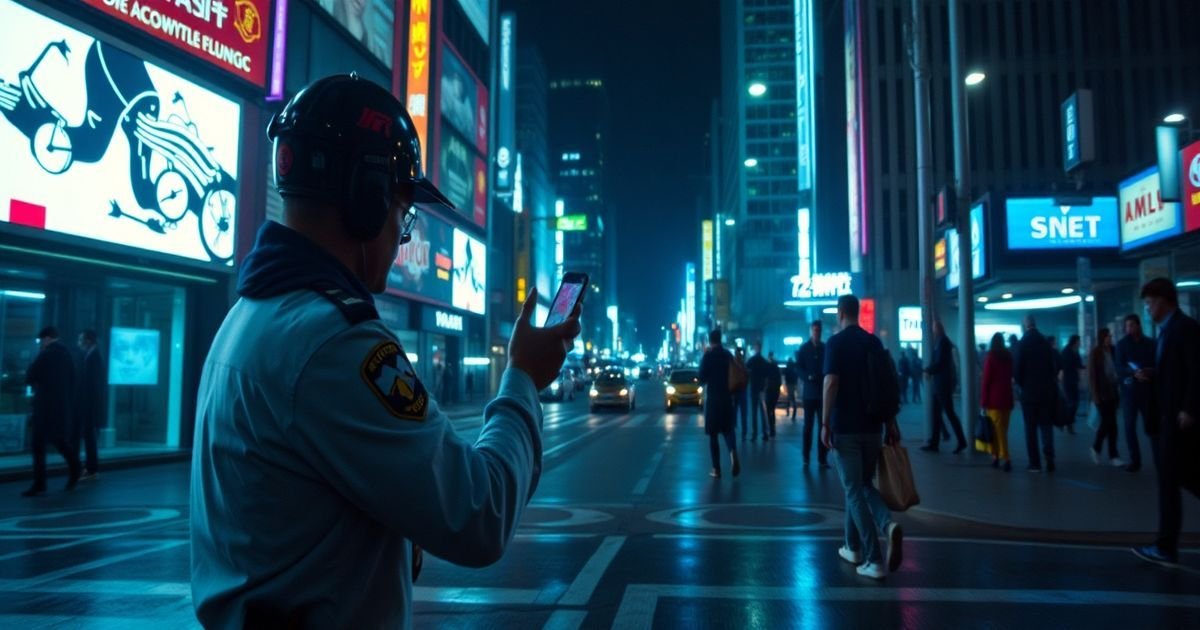
In an era where perfectly curated Instagram feeds dominate our visual landscape, a quiet rebellion is emerging. Photoacanhante—a term that merges “photo” with the Portuguese word for shy or awkward—represents a refreshing movement in photography that celebrates life’s unposed, imperfect, and genuinely human moments. This approach challenges the status quo by finding beauty in vulnerability, connection in discomfort, and artistry in the candidly awkward.
Understanding the Photoacanhante Philosophy
Photoacanhante isn’t just a technique; it’s a mindset shift in visual storytelling. Unlike traditional portraiture that seeks to eliminate flaws, this movement intentionally seeks out those fleeting seconds where subjects reveal their authentic selves—often through expressions of shyness, surprise, or mild embarrassment. The concept draws inspiration from street photography, documentary work, and the growing cultural desire to move beyond performative perfection.
The philosophy behind photoacanhante rests on three pillars: authenticity over artifice, emotion over aesthetics, and storytelling over staging. Photographers who embrace this style understand that the most memorable images often emerge when subjects forget the camera exists, revealing genuine interactions and unguarded reactions.
Key Characteristics of Photoacanhante Photography
What distinguishes photoacanhante from other candid photography styles? Several defining elements create its unique visual language:
- Intentional imperfection: Blurry backgrounds, awkward angles, and imperfect compositions become artistic choices rather than mistakes
- Emotional authenticity: Images capture the subtle discomfort of a forced smile, the shyness of a child meeting strangers, or the genuine laughter following an awkward moment
- Context preservation: Unlike heavily edited images, photoacanhante maintains environmental context, showing subjects within their natural habitats
- Temporal honesty: These photographs acknowledge the specific, often uncomfortable, moment in time rather than constructing an idealized version of reality
How to Master Photoacanhante Photography: A Practical Guide
Capturing compelling photoacanhante moments requires both technical skill and psychological sensitivity. Follow these steps to develop your eye for authentic awkwardness:
- Master invisibility: Use silent shooting modes, smaller cameras, or smartphone cameras to minimize your presence. The less intimidating you appear, the more likely subjects will behave naturally.
- Anticipate discomfort: Position yourself where social friction naturally occurs—family gatherings, first dates, job interviews, or public speaking events. Awkward moments cluster in transitional spaces.
- Focus on interactions: Rather than photographing individuals, capture the space between people—the hesitant hand touch, the mis-timed laugh, the shared glance of mutual discomfort.
- Embrace technical “flaws”: Use slower shutter speeds to create slight motion blur, shoot from hip level for unconventional compositions, and allow natural lighting imperfections to add mood.
- Build trust through transparency: Explain your project to subjects afterward. Many photoacanhante photographers share their images with subjects, transforming potentially uncomfortable captures into shared moments of vulnerability and connection.
The Psychological Benefits of Embracing Awkwardness
Practicing photoacanhante offers profound psychological rewards for both photographer and viewer. By seeking out life’s awkward moments, photographers develop greater empathy and patience. The process requires observing human behavior without judgment, fostering a deeper appreciation for the full spectrum of human emotion.
For viewers, these images resonate because they reflect shared human experiences. In a world of filters and facades, photoacanhante photography provides visual permission to be imperfect. It reminds us that awkwardness isn’t failure—it’s a fundamental part of being human. This genre creates a visual archive of authenticity that future generations can reference as evidence that real life persists despite digital curation.
Applications and Examples of Photoacanhante
Photoacanhante finds application across various photography genres:
Documentary and Street Photography: Capturing the genuine discomfort of tourists lost in foreign cities, teenagers navigating first social events, or families adjusting to new environments.
Wedding Photography: Moving beyond posed portraits to document the awkward toast that makes everyone laugh, the shy first look between partners, or grandparents dancing uncomfortably to modern music.
Family Photography: Documenting sibling squabbles, children’s honest reactions to gifts, or the genuine chaos of multigenerational gatherings.
Fine Art Photography: Some contemporary artists have built entire exhibitions around photoacanhante aesthetics, challenging viewers to find beauty in discomfort and question their own biases toward visual perfection.
According to Wikipedia, documentary photography has long valued authenticity over aesthetics, making photoacanhante a natural evolution of this tradition. The movement aligns with broader cultural shifts toward embracing vulnerability, as explored in psychological research on authenticity and wellbeing.
Conclusion: Finding Beauty in the Unpolished
Photoacanhante represents more than a photography trend—it’s a radical act of visual resistance against our culture’s obsession with perfection. By celebrating life’s awkward, unposed, and genuinely human moments, this approach reminds us that the most powerful images are often those that reflect reality in all its beautiful imperfection.
Whether you’re a professional photographer or an enthusiastic smartphone shooter, incorporating photoacanhante principles into your practice can transform how you see and document the world. Start by putting away the posed smile requests and instead seek out those fleeting seconds where people reveal their true selves, shyness and all.
For those interested in sustainable living and authentic experiences beyond photography, explore our resources on embracing imperfection in everyday life. The philosophy of photoacanhante extends far beyond the camera lens—it’s a way of engaging with the world that values realness over refinement.
As we move further into 2026, expect to see photoacanhante influence advertising, editorial photography, and personal archives. In an age of artificial intelligence-generated perfection, these authentically awkward images may become the most revolutionary visual statements of all.